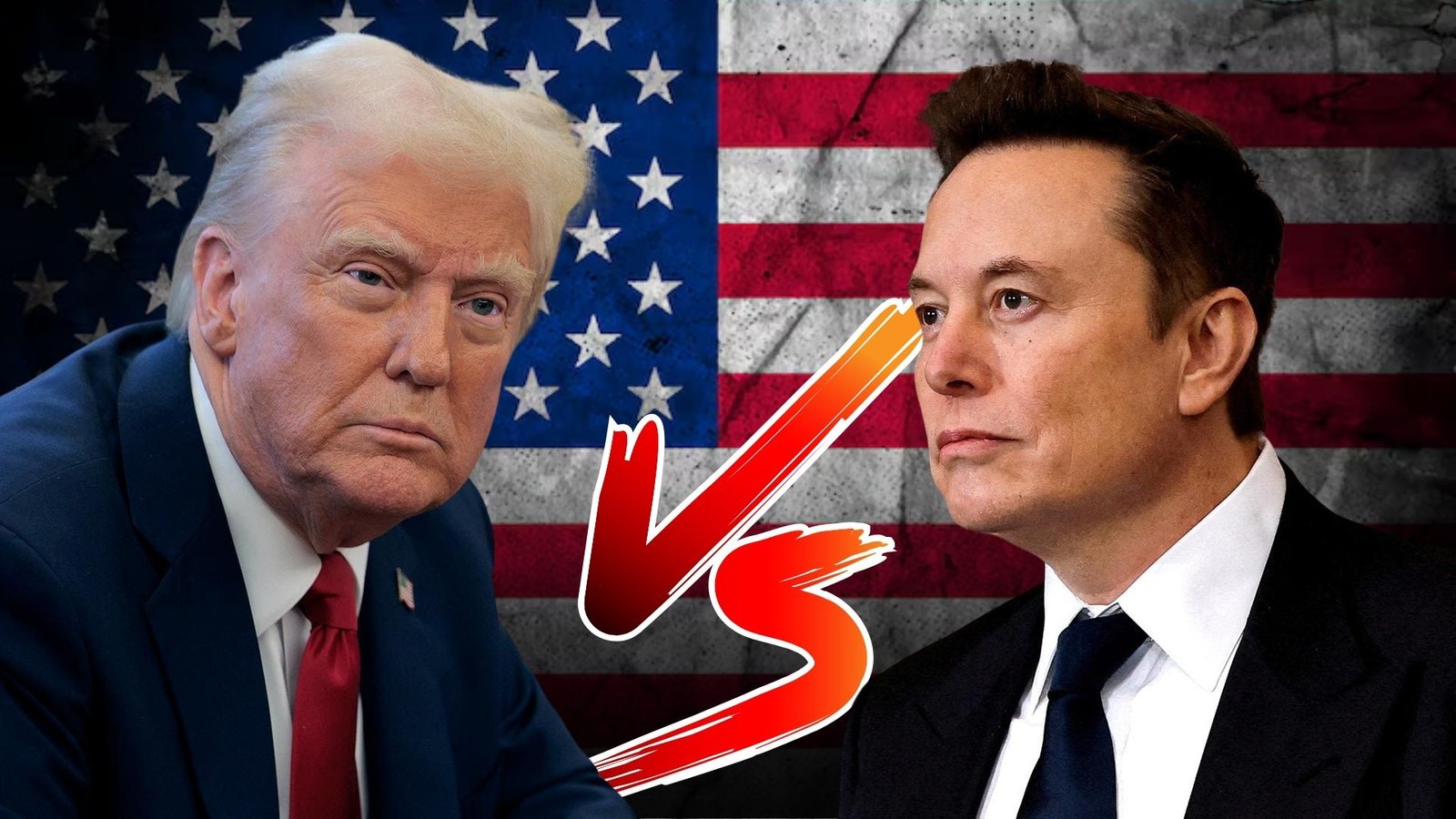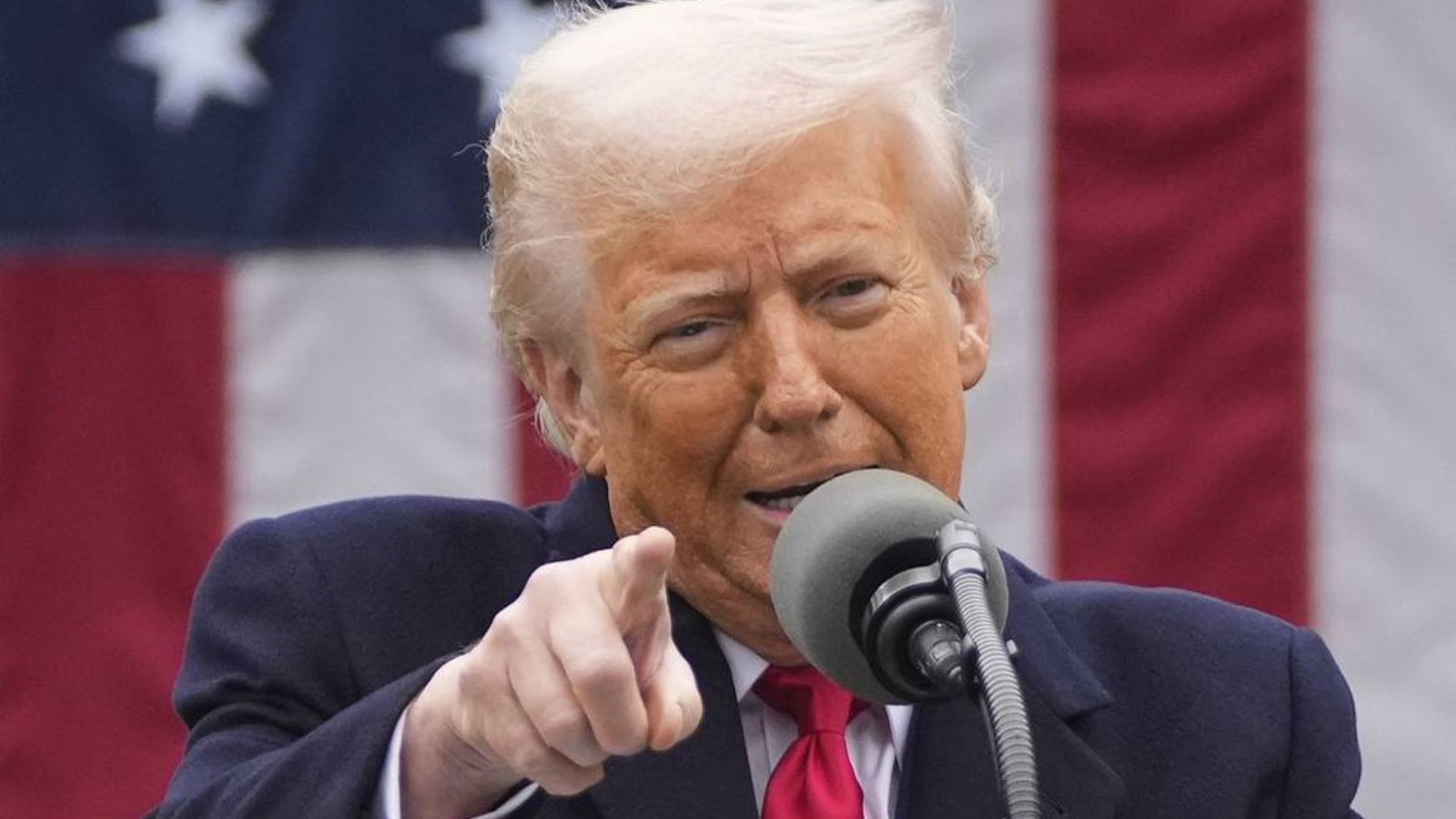
U.S. President Donald Trump is feeling the heat domestically as the situation with Iran drags on, now entering its second week. This has sparked worries about the economy and what America’s position will be as the crisis intensifies.
Since the U.S. and Israel launched strikes on Iran, the administration has struggled to clearly explain the long-term strategy behind the military action. Rising oil prices, falling financial markets, and reports of American casualties have unsettled many voters, while Trump’s approval ratings have begun to slip. Even some of his supporters have started questioning the direction of the war.
At the same time, the conflict has produced unexpected geopolitical consequences. Russia appears to be benefiting after the U.S. eased certain sanctions on Russian oil shipments, a move aimed at easing supply shortages caused by disruptions in the Persian Gulf. Critics warn the decision could strengthen Moscow’s economy at a time when Western nations have tried to limit President Vladimir Putin’s ability to fund the war in Ukraine.
Domestically, Democrats are rallying around opposition to Trump’s Iran policy ahead of November’s midterm elections. Party strategists argue that the economic turbulence and rising energy costs contradict Republican promises to reduce everyday expenses for Americans.
Meanwhile, the administration is seeking international support to secure the Strait of Hormuz, a vital route through which roughly one-fifth of global oil shipments pass, as tensions with Iran continue to disrupt energy markets.